

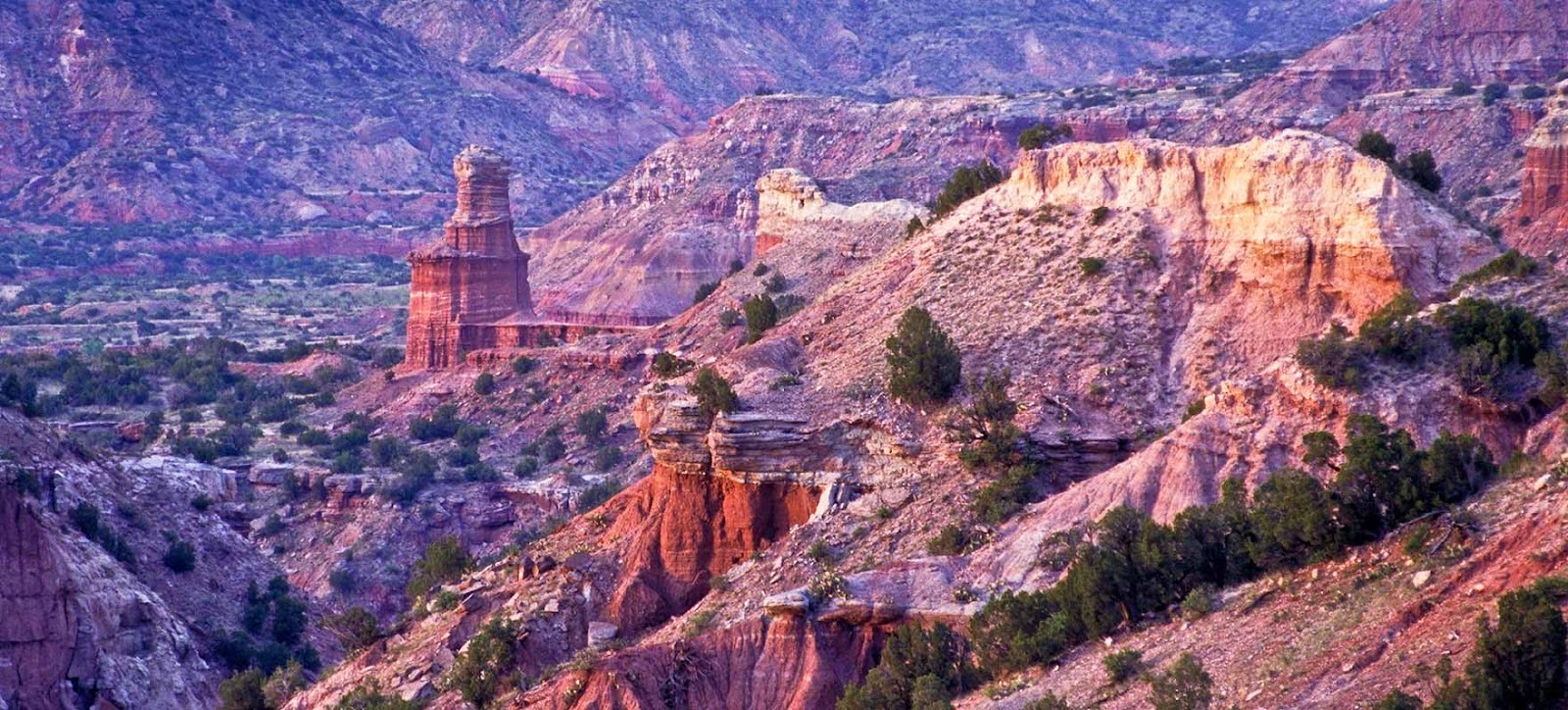

Step into the shadow of a red rock wall in Palo Duro Canyon, and you’re stepping back through time, layer by layer. Nicknamed the “Grand Canyon of Texas,” this breathtaking gash in the High Plains stretches for more than 120 miles and drops up to 800 feet deep. And while it’s one of the most photographed places in the state, there’s more to it than dramatic cliffs and scenic overlooks.
For Texas landowners, especially those perched near the Caprock Escarpment, the canyon serves as a barometer of land use and stewardship. What you do on the rim doesn’t stay on the rim—it flows, seeps, and echoes downhill.
A Canyon Written in Layers
Palo Duro’s colorful bands aren’t just eye candy—they’re a geologic biography of the region. At the base is the deep red Quartermaster Formation, laid down during the Permian period, when Texas was a coastal flat.
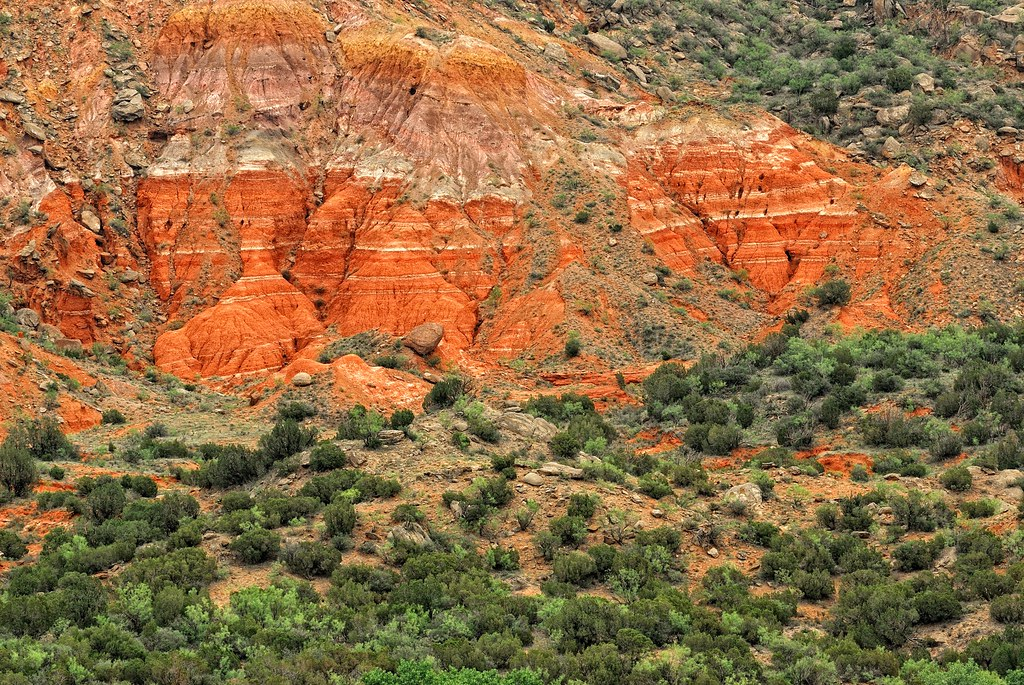
Above it lies the gray-green Tecovas Formation, known for its fossil beds and softer clays. Then comes the tan, cliff-forming Trujillo Sandstone, a tougher layer that shapes many of the canyon’s spires and ledges. Capping it all is the Ogallala Formation—light-colored rock and gravel that not only forms the canyon rim, but also holds the aquifer that supplies much of the Panhandle’s water.
Each layer tells a story. And each thunderstorm reshapes it, slowly peeling back the canyon’s sides and carrying sediment from pastures and backroads above.
Wildlife on the Canyon Walls
With its rugged terrain, Palo Duro is home to a diverse mix of hardy, high-plains species. Mule deer browse the brushy benches at dawn. Wild turkeys roost in the cottonwoods, while roadrunners flash between patches of yucca and juniper.
Keep your eyes open and you might spot a bobcat ghosting through the draws—especially in spring, when sightings peak during breeding season. Birders also love the canyon for its diverse mix of birds, including painted buntings, canyon wrens, and even peregrine falcons that use the cliffs for nesting.
Down near the riverbed, you’ll find a few critters you won’t see anywhere else—like the Palo Duro mouse, an endemic species that relies on intact riparian habitat along the Prairie Dog Town Fork of the Red River.
Land Stewardship: It All Rolls Downhill
Landowners near the canyon play a bigger role than they might realize. Every pasture, trail, and water gap above the rim eventually drains toward the canyon. Overgrazed slopes or disturbed soils can turn a quick rain into a gully-washer, sending sediment and nutrients right into the watershed.
Invasive species like saltcedar have taken root along the riverbanks, reducing streamflow and outcompeting native willows. But tools like cut-stump herbicide treatments and biological controls (like saltcedar beetles) are helping reclaim those channels.
On higher ground, juniper and mesquite continue to spread, raising wildfire risks and reducing grass cover. Strategic brush control, paired with managed grazing, can improve both habitat quality and fuel breaks.
Beyond the Fenceline: Trails and Traditions
Palo Duro Canyon State Park draws thousands each year for hiking, biking, and camping. And when storms hit—like those that closed trails in June 2025—landowners feel the impact too. Clean, stable trails depend on sound watershed management above the park.
Then there’s the culture. The iconic “TEXAS” Outdoor Musical, performed in the canyon amphitheater since 1966, brings in over 60,000 visitors every summer. It’s a reminder that landscapes inspire stories—and that healthy land helps sustain those stories.
A Legacy in the Layers
The canyon took a million years to carve, but its fate hinges on what we do right now. Whether you’re managing cattle, wildlife, or weekend guests, your decisions have a ripple effect.
So the next time you see the morning sun catch those rock layers in red and gold, remember: that view starts with your grasses, your brush line, your rainwater. In Palo Duro, stewardship is a top-down affair, and every good choice up here helps keep Texas wild, bold, and beautiful down below.
Want to learn more about brush management, wildlife planning, or conservation partnerships near Palo Duro? Get in touch—we’re here to help you steward the view.