


“They say the bats come out like a river of night.”
As October brings cool breezes and Halloween decorations to porches across Texas, millions of real-life creatures take to the skies. These creatures are often misunderstood, yet vital to our ecosystem. Enter the Mexican free-tailed bat, one of Texas’s most iconic and beneficial wildlife species.
While city dwellers might think of Austin’s Congress Avenue Bridge, Texas landowners know the real magic (and mystery) lies in the caves scattered across the Hill Country and beyond.
Meet the Mexican Free-Tailed Bat
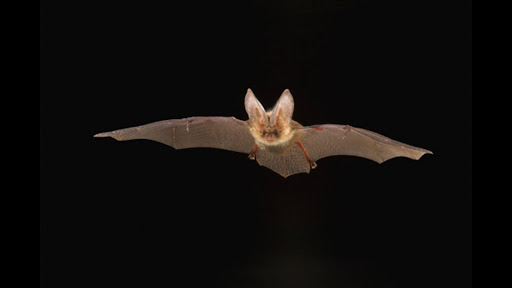
Known for its high-speed flight and incredible nightly migrations, the Mexican free-tailed bat (Tadarida brasiliensis) is a small mammal with a big ecological impact.
- Wingspan: About 12–14 inches
- Flight speed: Clocked at up to 100 mph in flight
- Diet: Insects—lots of them. Moths, beetles, and flying pests
- Roosting style: They prefer caves with deep, warm ceilings and congregate in the millions during summer
These bats are especially active from May through October, forming huge colonies where females give birth and raise their pups before migrating south for winter.
The Mexican free-tailed bat gets its name from two key traits:
1. “Mexican”
This refers to their migratory patterns and range. While these bats are found throughout the Americas, they migrate to and from Mexico depending on the season. Large numbers overwinter in Mexico and return north to Texas and other states in the spring to raise their young.
- They’re most abundant in the southwestern U.S., Mexico, and Central America.
- In Texas, they form massive summer maternity colonies—then head south for the winter.
2. “Free-Tailed”
Unlike many bat species whose tails are fully enclosed within their tail membrane (the uropatagium), this bat has a tail that sticks out beyond that membrane, giving it a “free” tail look. That’s a key field mark for identifying the species.
- The tail extends about a third of its total length beyond the membrane.
- This feature helps them with fast, agile flight—often in open skies at high altitudes.
Mason County’s Hidden Treasure: Eckert James River Bat Cave
Forget the city bridges—some of the most impressive bat colonies in Texas reside on rural land. One standout is the Eckert James River Bat Cave Preserve near Mason, Texas.
- Home to: Up to 4 million bats in peak season
- Managed by: The Nature Conservancy and Bat Conservation International
- Viewing: Seasonal, typically May to August
- Why it matters: This cave serves as a maternity roost, critical for bat reproduction
Tucked away in the Hill Country, this preserve offers a dramatic spectacle as bats emerge in swirling clouds at dusk. It’s a hauntingly beautiful sight—and a powerful reminder of nature’s rhythms.
Other Noteworthy Bat Caves in Rural Texas
Want more spooky bat action? Here are a few more wild and wondrous spots:
- Devil’s Sinkhole (Rocksprings): A 400-foot-deep vertical cavern home to 3+ million bats.
- Old Tunnel State Park (Fredericksburg): A repurposed railroad tunnel turned bat haven.
- Bamberger Ranch’s Chiroptorium (Johnson City): A human-made “bat cave” attracting 200,000+ bats annually.
These sites—many on or near private land—highlight the vital role landowners play in protecting bat habitat.
Why Landowners Should Love Their Bats
Bats aren’t just creepy, they’re crucial. For rural Texans, especially land managers and agricultural producers, bats offer major benefits:
- Natural Pest Control: Bats can eat their body weight in insects each night, saving crops from damage and reducing the need for chemical pesticides.
- Guano Fertilizer: Bat droppings are high in nutrients, enriching soil naturally.
- Ecotourism & Education: Managed correctly, bat viewing can bring in curious guests and support conservation outreach.
How to Support Bats on Your Land
If you’re lucky enough to have a bat roost or cave nearby, here’s how to be a good neighbor to these winged bug-eaters:
- Protect Roosts: Avoid entering caves during pup season (May–August).
- Limit Disturbance: Keep noise, lights, and activity around roosts to a minimum.
- Maintain Dark Skies: Reduce artificial lighting near caves and roost sites.
- Partner Up: Contact Bat Conservation International or Texas Parks & Wildlife for guidance on monitoring or managing bat colonies.
And if you’re considering allowing public viewing or educational tours, be sure to have safety protocols and permission systems in place.
Bats & Halloween: Spooky, Yes. Scary? Not So Much.
Bats get a bad rap in spooky season. Let’s clear up a few myths:
- “Bats are blind.” False. They see well—and echolocate even better.
- “Bats attack people.” Nope. They avoid humans and navigate around us with ease.
- “Bats carry rabies.” Only a very small percentage do. Respect wildlife, but don’t fear it.
And those chilling clouds of bats you might see at sunset? That’s not a Halloween curse—it’s a natural wonder, and you’re lucky to witness it.
Haunted by Bats? More Like Blessed by Them.
Bats may seem spooky, but they’re silent allies to anyone managing land in Texas. From eating pests to enriching the land—and yes, delighting the occasional viewer—they are one of our most important native species.
So this October, look skyward at dusk. If you’re in Mason County or anywhere near a rural cave, you just might catch the swirling spectacle of the Mexican free-tailed bat. It’s one of Texas’s best-kept secrets—and one worth protecting.