

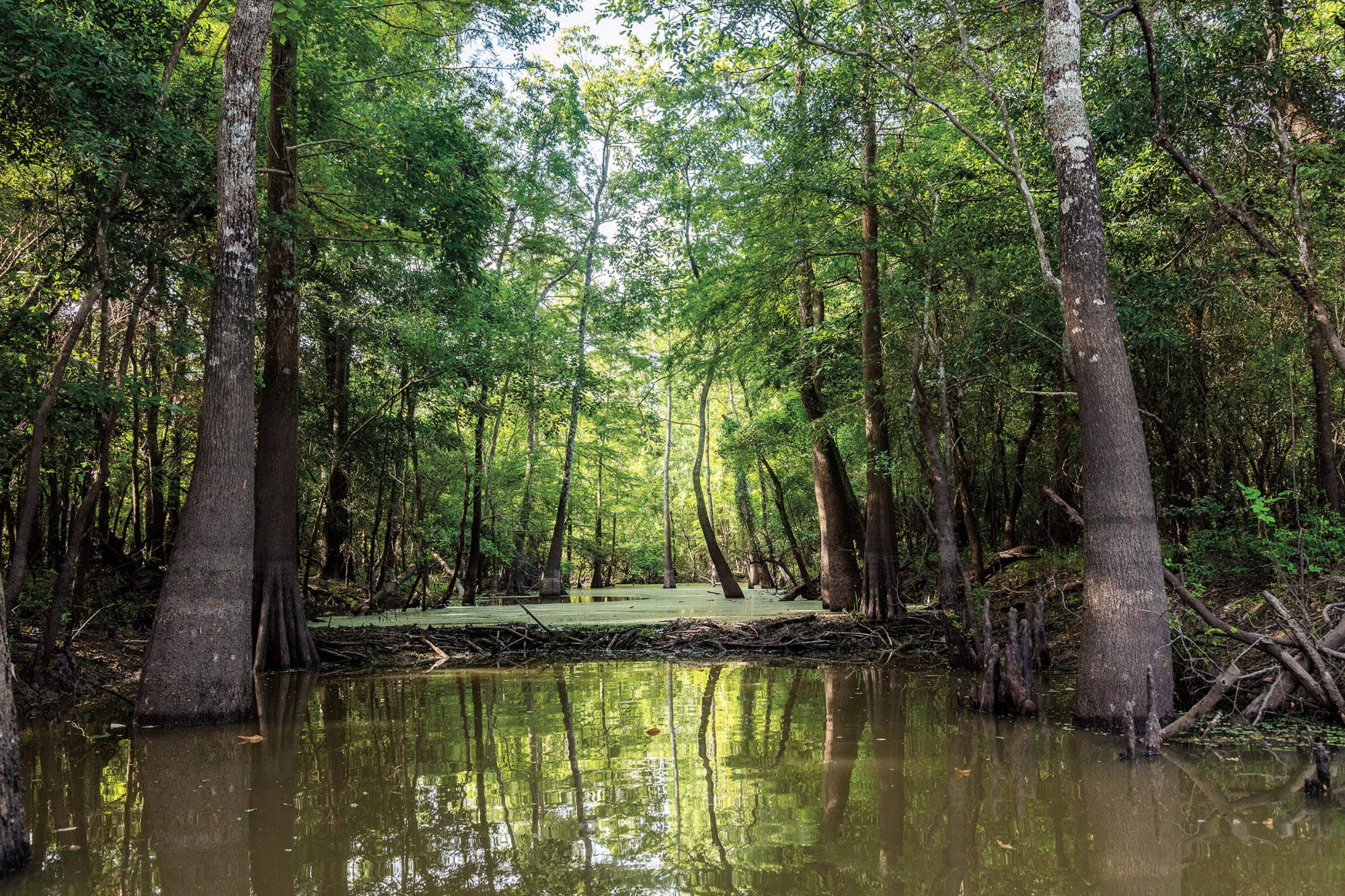

When most folks think about land value in Texas, they picture good fencing, healthy pasture, or productive brush country. But one of the most powerful and often overlooked assets on rural property is a wetland.
Whether it’s a seasonal marsh in North Texas, a cypress slough in East Texas, or a coastal prairie pothole near the Gulf, wetlands are some of the hardest-working acres you can have. They quietly manage water, improve soil health, support wildlife, and even protect downstream neighbors.
For Texas landowners, understanding wetlands isn’t just about conservation; it’s about stewardship, productivity, and long-term land value.
What is a Wetland?
A wetland is land that is saturated with water long enough to support plants adapted to wet soil conditions (called hydrophytic vegetation). Wetlands may hold water year-round or only seasonally after rains.
In Texas, wetlands show up in many forms:
- River floodplains
- Cypress swamps
- Prairie potholes
- Coastal marshes
- Stock tank overflow areas
- Seasonal depressions in pastures
If an area stays wet long enough to grow water-loving plants and develops hydric (water-saturated) soils, it may qualify as a wetland.
Why Wetlands Matter in Texas
1. Natural Water Storage & Flood Control
Wetlands act like sponges. During heavy rain, they absorb and slow runoff, reducing downstream flood damage. In flash-flood-prone parts of Texas, this function is invaluable.
Instead of water rushing across bare ground (taking soil with it), wetlands hold it, filter it, and release it slowly.
2. Water Filtration & Improved Water Quality
Wetlands naturally filter:
- Sediment
- Nutrients (like excess nitrogen)
- Agricultural runoff
- Some pollutants
The plants and soils in wetlands trap and break down contaminants before they reach creeks, rivers, or groundwater.
For landowners managing cattle, hay production, or wildlife habitat, this filtering function protects both your property and neighboring watersheds.
3. Wildlife Habitat
Wetlands are biodiversity hotspots.
In Texas, they support:
- Migratory waterfowl like the Wood Duck
- Wading birds such as the Great Blue Heron
- Songbirds like the Red-winged Blackbird
- Amphibians including the American Bullfrog
Many species rely on wetlands for breeding and nesting. Amphibians in particular depend on seasonal wetlands that dry periodically, which helps limit fish predators.
If you’re managing for wildlife, hunting, or general habitat improvement, wetlands are some of the most productive acres you can maintain.
Unique Vegetation Found in Texas Wetlands
Wetland plants are adapted to saturated soils and low-oxygen conditions.
Some common Texas wetland plants include:
- Bald Cypress – Famous for their “knees,” these trees thrive in standing water and are common in East Texas swamps.
- Cattail – Excellent for erosion control and wildlife cover.
- Buttonbush – A pollinator favorite with spherical white blooms.
- Pickerelweed – Produces beautiful purple flowers and supports aquatic insects.
These plants stabilize soil, reduce erosion, and provide structure for wildlife.
Wetlands and Soil Health
Hydric soils (wetland soils) often contain high organic matter. When managed properly, wetlands:
- Improve nutrient cycling
- Increase microbial diversity
- Reduce downstream sediment loss
- Support adjacent pasture resilience
Even seasonal wetlands can improve surrounding soil conditions by slowing runoff and increasing infiltration.
Texas Wetland Conservation & Landowner Considerations
Wetlands are regulated in certain circumstances, particularly if they connect to navigable waters. Before modifying or filling a wet area, it’s wise to consult with:
- Your local NRCS office
- County extension agents
- A qualified environmental consultant
That said, many landowners can enhance existing wetlands through:
- Controlling invasive species
- Managing grazing pressure
- Restoring native vegetation
- Creating buffer zones
Programs through USDA and state conservation agencies may offer cost-share opportunities for wetland restoration or protection.
On Texas Ground
In a state known for droughts and floods, wetlands are part of the natural balancing system. They recharge groundwater, protect streams, and provide drought refuges for wildlife.
For Texas landowners, wetlands aren’t “wasted ground.” They are working ground — improving water, supporting wildlife, and protecting the long-term health of your property.
If you have a wet spot on your land, it may be one of your most valuable acres.