


If you run cattle, keep horses, or spend any time in a deer blind this fall, you’ve probably heard the word “screwworm” more this year than any year of your life. For most Texans under 70, that word used to just mean an old story your grandpa told.
New World screwworm is back in Texas for the first time in six decades. Here’s the history behind how we beat it once, where the Texas screwworm outbreak stands right now, and what it means for your operation, your cattle, and your wildlife.
What is the New World screwworm?
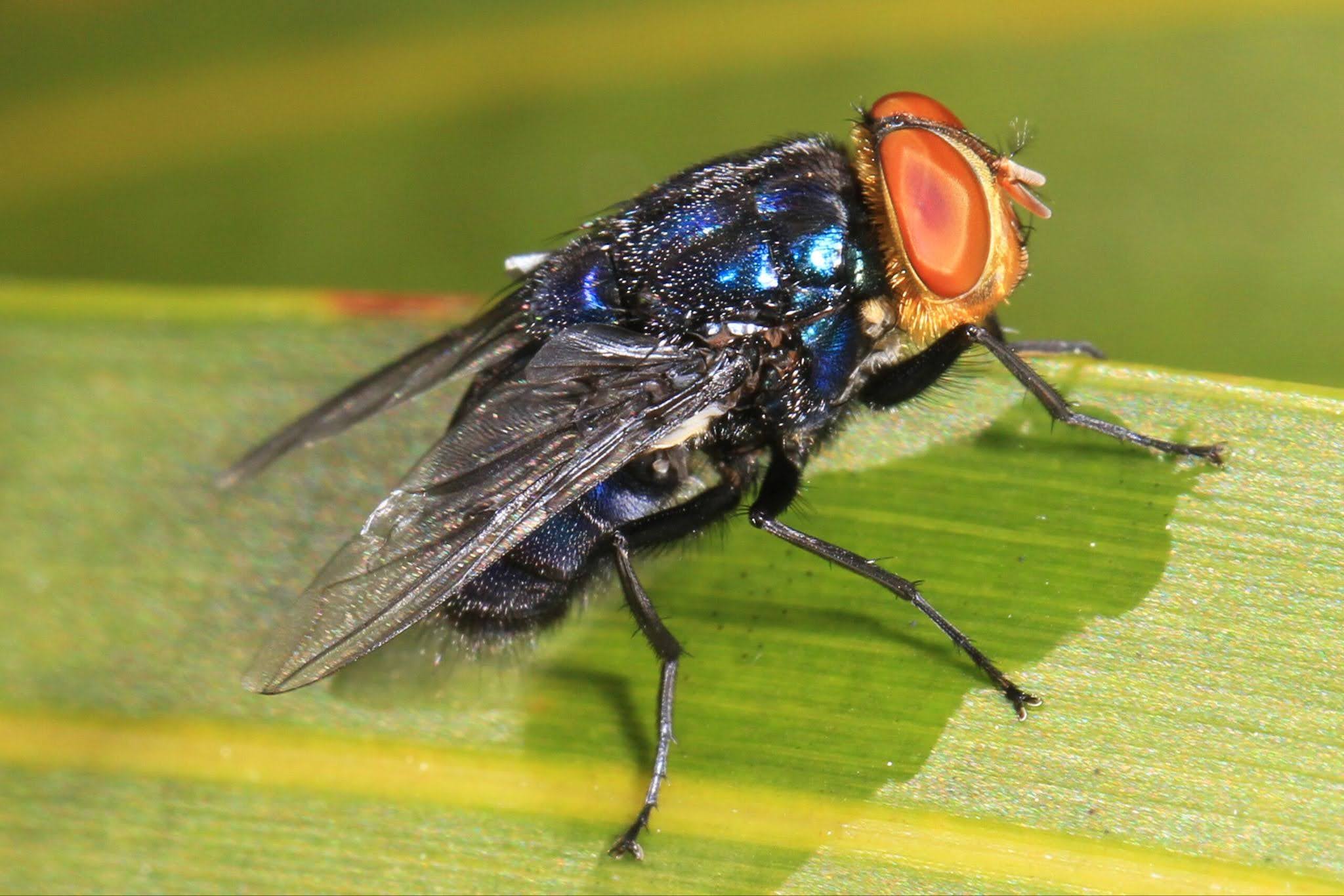
New World screwworm is the larval stage of a fly (Cochliomyia hominivorax) that lays its eggs in open wounds on warm-blooded animals, then feeds on living flesh instead of dead tissue like most maggots do. That’s what makes it so dangerous. A small nick from a fence, a fresh brand, or even an umbilical cord on a newborn calf can become an infestation within days if it’s not caught.
Left untreated, an infestation can kill an animal in one to two weeks. It affects livestock, horses, pets, wildlife, and in rare cases, people. That’s why screwworm in cattle has become the top animal health concern for Texas producers this year.
How did the U.S. eradicate screwworm in the 1960s?
The short answer: with one of the most successful pest eradication programs in American agricultural history, built on a strange but brilliant idea. Female screwworm flies mate only once in their lifetime. USDA entomologists Edward Knipling and Raymond Bushland figured out that if you flood a wild fly population with sterile males, the wild females waste their one mating on a dud, and the population collapses over a few generations.
That idea, called the sterile insect technique, was field tested on the island of Curaçao in 1954 and wiped out the local screwworm population in seven weeks. Florida ran a full program starting in 1957 and was screwworm free by 1958. Texas came next, with a massive push starting in 1962 that pushed sterile flies out from a plant near Mission. By 1966, the U.S. declared the country screwworm free, and the program kept pushing the eradication line south through Mexico and Central America over the following decades, eventually holding the fly at the Darién Gap between Panama and Colombia.
It worked. It also wasn’t a one-and-done. Reinvasions from Mexico happened periodically, including a costly outbreak in Texas in 1976. Eradication has always meant constant vigilance at the border, not a permanent finish line.
Why is the Texas screwworm outbreak happening now?
Screwworm started moving north through Central America in 2023 and was confirmed in Mexico in November 2024, working its way toward the border faster than anyone wanted. Governor Abbott issued a statewide disaster declaration in January 2026 to get ahead of it. That preparation bought some time, but it wasn’t enough to stop the first confirmed case of screwworm Texas has seen since the 1960s, found in a calf in Zavala County on June 3, 2026.
Since then, USDA and the Texas Animal Health Commission have leaned hard on the same tool that worked in the 1960s: sterile fly release, now backed by a new $750 million domestic sterile fly production facility under construction at Moore Air Base in Edinburg. Millions of sterile flies are going out by air and ground every week in and around detection zones.
Where does the screwworm outbreak stand right now?
As of early August 2026, USDA has confirmed 45 New World screwworm cases nationwide, 44 of them in Texas, spread across 15 counties from Zavala and Gillespie up through Terrell, Sutton, Starr, Brewster, and Andrews. The good news buried in that number: only about five cases remain active under treatment at any given time. Most confirmed animals have recovered and been cleared. That’s the sterile fly program and rapid response doing what they’re designed to do.
It’s not over. New cases are still turning up in new counties, and the fly’s range keeps testing the edges of the response zone. This is going to be a multi-year fight, the same way it was the first time around.
What does this mean for your land?
If you run livestock, this is now part of your daily chore list, not a once-a-season concern. Any open wound is an opportunity for the fly, and that includes routine ranch work like branding, castration, dehorning, ear tagging, and fawning or calving season.
If your land carries deer, exotics, or other wildlife under a wildlife management valuation, pay attention here too. There’s no practical way to treat wildlife the way you can treat livestock, and older ranchers in South Texas still remember when screwworm alone kept deer numbers suppressed for years. A serious outbreak in wildlife could hit deer populations, hunting leases, and the rural economy that depends on both.
What is the screwworm treatment for cattle?
The main screwworm treatment for cattle right now is doramectin injection, sold as Dectomax and Dectomax-CA1, which the FDA conditionally approved for treating and preventing New World screwworm infestations in cattle, with protection against reinfestation lasting about 21 days. It’s given as a single shot under the skin or in the muscle, and your vet will dose it based on body weight.
Since then, the FDA has issued a run of emergency use authorizations for other species and situations, covering everything from ivermectin for horses to topical wound sprays and powders for sheep, goats, and wildlife. Not every product is approved for every species or every scenario, so screwworm treatment always needs to run through your veterinarian rather than off a label you found online. Wound cleaning and covering still matter too. A treated wound that’s left open and dirty is an invitation for reinfestation.
What should landowners do right now?
Check your ivestock daily, not weekly. Look for any wound that’s draining, foul smelling, or larger than it should be, especially around the ears, nose, navel, and genitals. Keep an eye on game camera footage for animals that look lethargic, are shaking their heads, or seem isolated from the herd or group.
If you find something suspicious, don’t move the animal. Report livestock and pet cases to the Texas Animal Health Commission at 1-800-550-8242, and report wildlife cases to your Texas Parks and Wildlife biologist. Fast reporting is the single biggest reason the 1960s program worked, and it’s the reason this outbreak hasn’t spiraled the way it easily could have.
If you’re not sure your land is set up to handle a threat like this long term, that’s exactly the kind of planning a wildlife management plan is built for. Give us a call and let’s make sure your operation is ready for whatever this fly does next.
We beat this pest once with patience, cooperation, and a lot of sterile flies. We can do it again. But it takes every landowner checking their own fence line.