


Every fall, as the evenings cool off and the shadows past the deer stand get longer, Texans become a little more willing to believe something is watching from the tree line. The good news for those of us who spend our days walking pastures and creek bottoms is that most Texas legends have a real animal standing somewhere behind them. So grab a flashlight, and let’s tour three Texas monsters and the wildlife that actually left the tracks.
The Chupacabra Is a Coyote Having a Very Bad Year
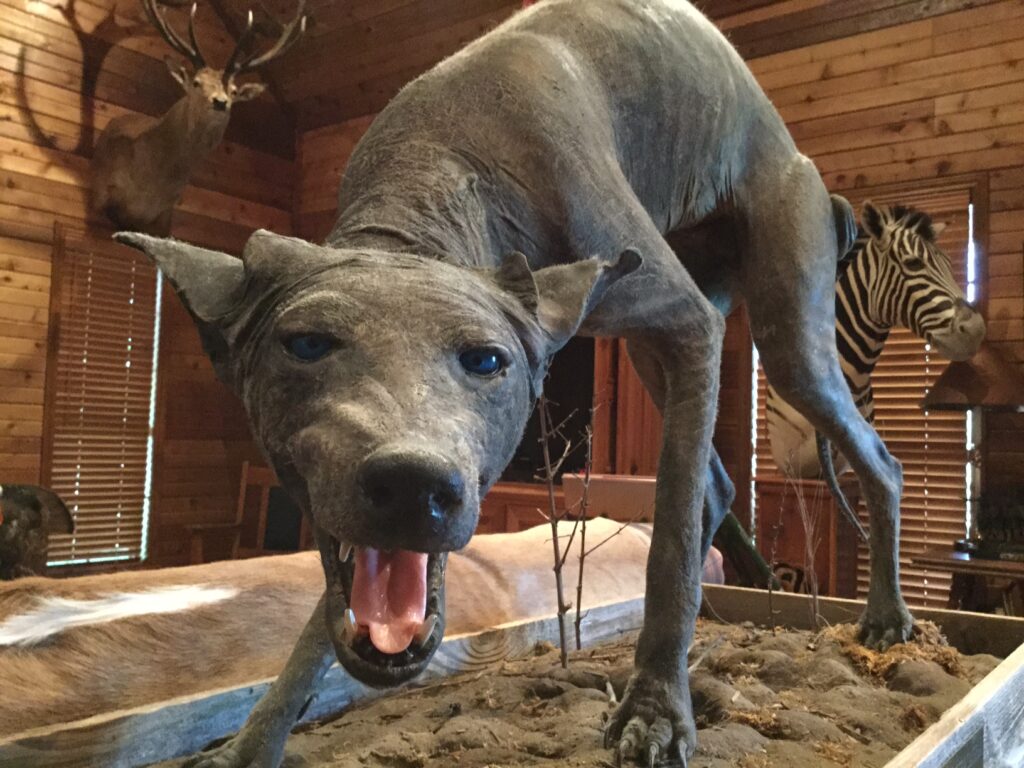
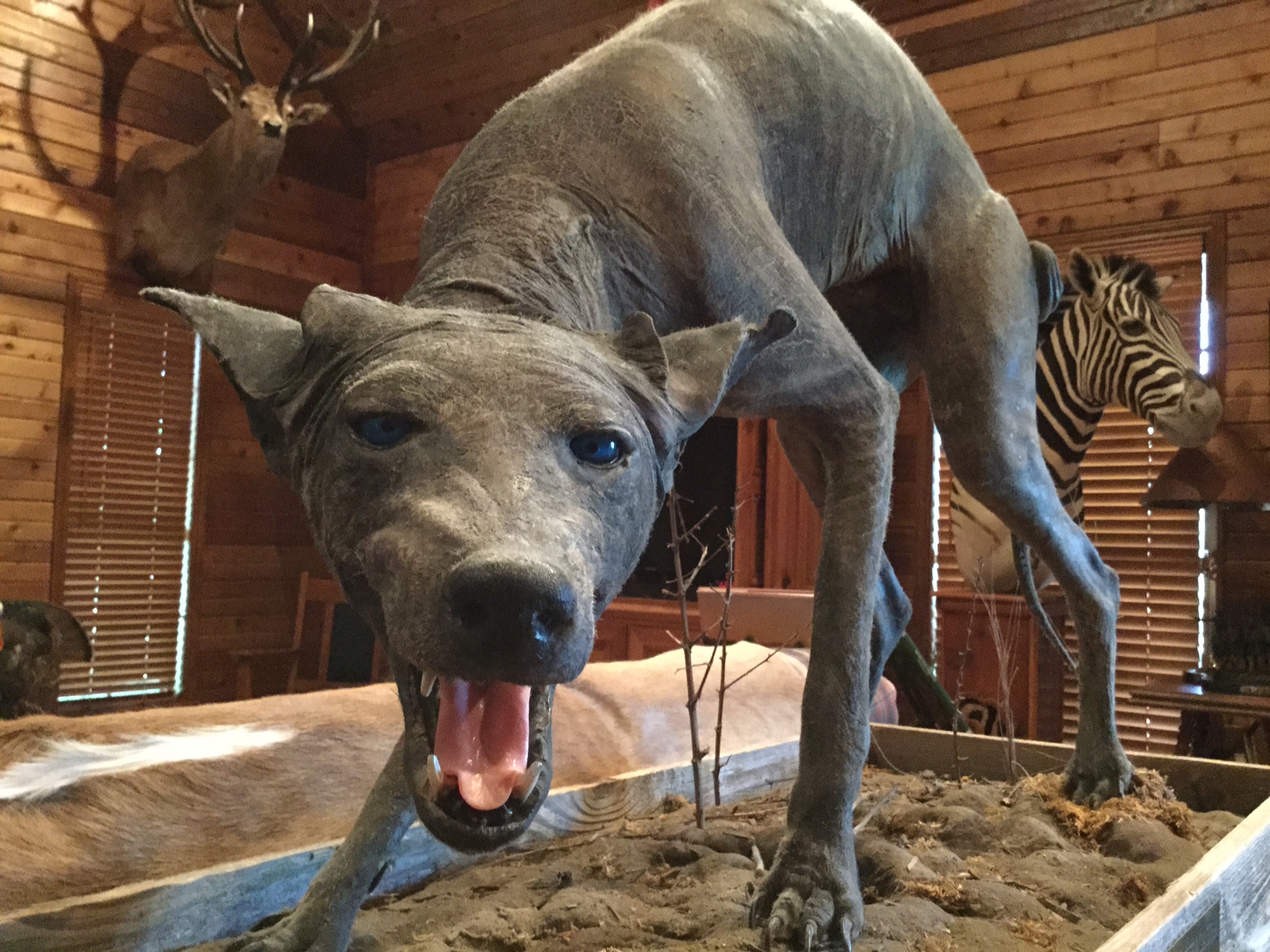
The chupacabra, or “goat sucker,” first surfaced in Puerto Rico in 1995 as a spiny creature that drained livestock of blood. By the time it reached Texas, it had dropped to all fours and started looking like a hairless, blue-gray dog with wrinkled skin and oversized fangs. The most famous Texas case came in 2007, when Cuero rancher Phylis Canion lost a string of chickens and later found a strange, bald carcass near her place.
DNA testing on the Cuero animal pointed to a coyote, and the rest of the look has a simple explanation. The culprit is sarcoptic mange, a mite infestation common in wild canids. As the animal’s body fights the mites, its coat falls out in patches, its hide turns leathery and gray, and its face puffs up enough to give it a permanent snarl. Biologists, including University of Michigan mite researcher Barry O’Connor, have long pointed to mange as the answer. A coyote in that condition is sick, weak, and hungry, which is exactly the kind of animal that gives up on chasing rabbits and starts raiding the chicken coop.
For a landowner, a “chupacabra” on the game camera is useful information. Mange spreads through close contact and shared dens, and it can move into ranch dogs, so keep working dogs away from coyote dens and carcasses and ask your vet about protection. A mangy coyote hanging around the barn is also a good signal that poultry and small livestock need tighter pens at night. The TPWD coyote species page is a solid primer.
East Texas Bigfoot Has a Very Real Neighbor
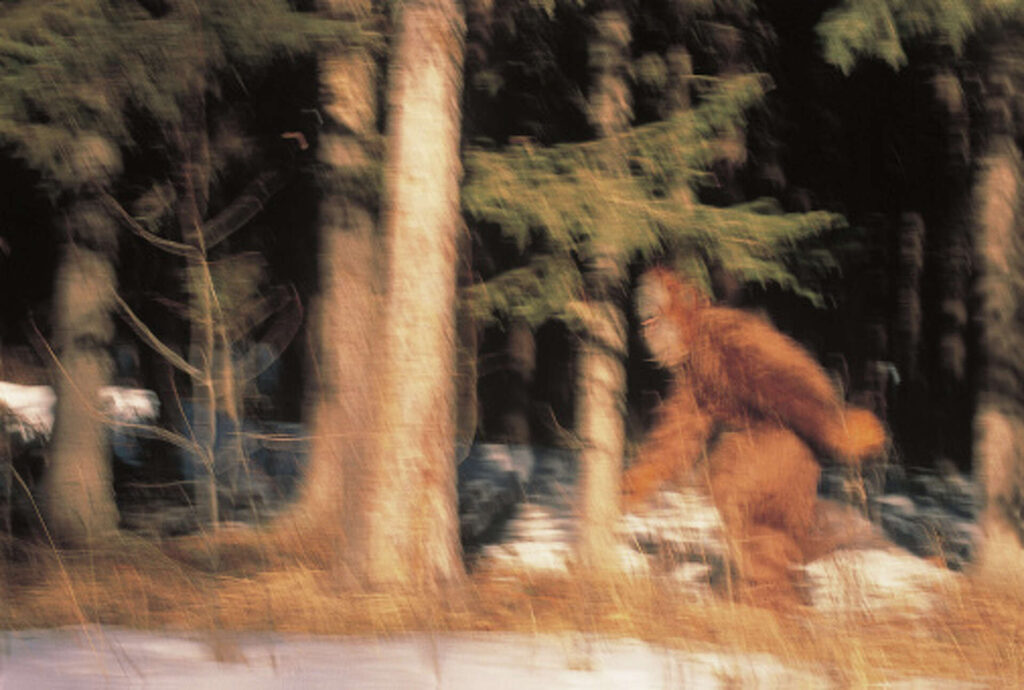
Pineywoods lore has featured a big, hairy, upright creature for generations, known to some as the Woolly Booger and to one Texas research group as the “wood ape.” If you mapped every story told around East Texas deer camps, you’d find a lot of pins in the river bottoms and national forest country between Palestine and Crockett. Nobody has produced a body or a clear photograph, but the reports keep coming, including a truck driver’s account of a seven-foot figure near Garden Valley in November 2025.
The twist is that in 2025 a large, dark, furry animal really did start walking the Neches River bottoms of Anderson, Cherokee, and Houston counties, right in the middle of that same Bigfoot country. It turned out to be a young male American black bear, and Texas Parks and Wildlife has called it the first documented black bear to overwinter in East Texas in more than 50 years. Biologists believe it wandered in from Louisiana, where a growing bear population is pushing west. By spring it had logged more than 55 documented sightings, and in May a game camera near Palestine caught it knocking over a deer feeder. Seen standing on its hind legs at dusk through the pines, it could turn almost anyone into a believer.
Black bears are a threatened species in Texas, and killing, harming, or harassing one can bring fines of up to $12,000 and possible jail time. On a working property, the biggest draws tend to be the same things you put out for deer, so a feeder that keeps getting tipped over or emptied overnight deserves a closer look at the game camera. Keep feed, trash, and dog food shut up where a curious nose can’t reach it. Report sightings to your county wildlife biologist or local game warden. Recolonization moves slowly, but more bears are likely to follow this one across the Sabine.
The Bear King of Marble Falls Makes a Better Story Than a Bear
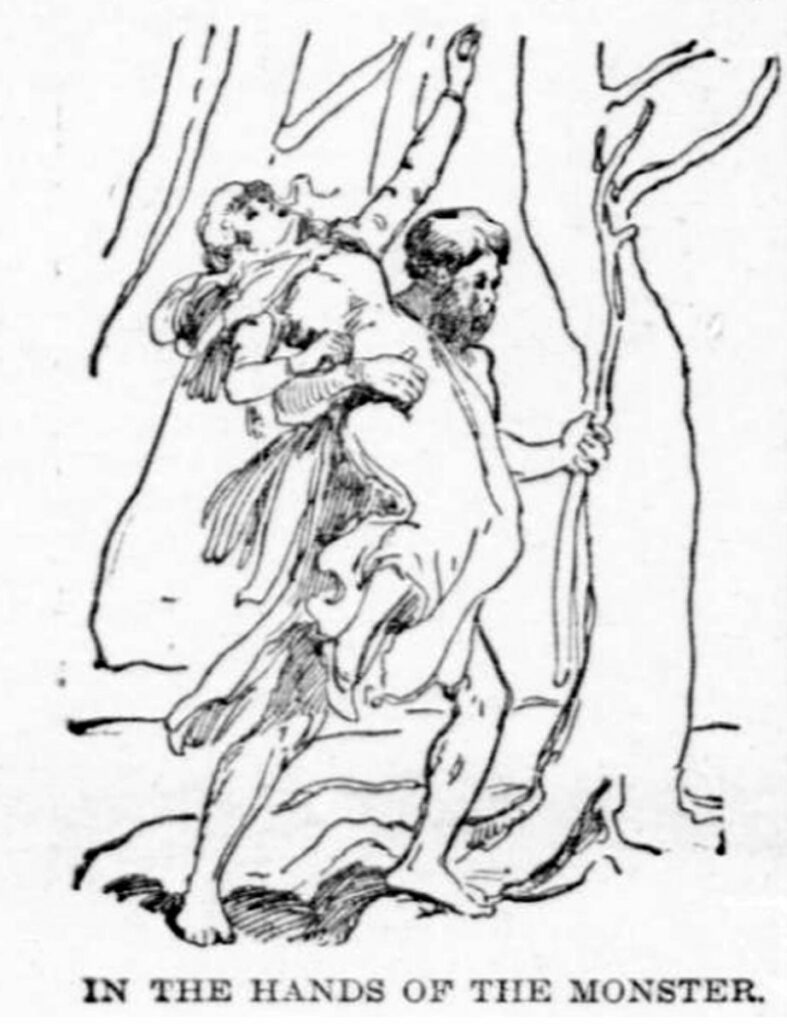
The strangest of our three comes out of the Highland Lakes. In May 1901, newspapers as far away as Washington, D.C., and San Francisco ran the tale of Miss Ramie Arland, described as the belle of Marble Falls. While out gathering sheep, she said, she was carried off by a hairy, man-like “bear king” and held in a cave in the “Moon Mountains.” She slipped away while it slept, and local men supposedly tracked the creature to its cave and shot it. What became of the body, conveniently, nobody can say.
Anyone who knows the Highland Lakes will spot trouble right away, because nobody around Marble Falls has ever heard of the Moon Mountains. The story leans on a Kickapoo legend from a tribe with no real history in Burnet County, and the Arland family seems to have left no trace in local records. The tale also ran in big-city papers far from Texas while the hometown press apparently said nothing. Texas historian Mike Cox has written about the story, and he doesn’t buy it either.
The real wildlife footnote is that black bears did once live in the Hill Country. According to the Mammals of Texas account from Texas Tech, bears roamed nearly every corner of Texas, the Edwards Plateau included. Hunting had largely emptied Central Texas of them by the time Ramie’s story ran, which makes a bear-man in Burnet County in 1901 even less likely. Today bears are working their way back from the Trans-Pecos and Mexico, and confirmed sightings have turned up in western Hill Country counties like Kimble and Menard. If you manage land west of Marble Falls, the same feeder habits apply, and every report helps TPWD track where bears turn up. A real bear may wander back to Burnet County someday, though we’d bet against the crown.
What Actually Lives on Your Land Is the Best Story of All
Every one of these legends started with someone seeing something they couldn’t quite explain, whether it was a sick coyote, a wandering bear, or a very creative newspaper editor in 1901. The best cure for a good scare is knowing what actually moves across your property, which comes from game cameras, track surveys, and time on the ground.
That same knowledge is the backbone of a good wildlife management plan, whether you’re watching deer, quail, or the occasional bear. So enjoy the ghost stories this Halloween season, keep a flashlight in the truck, and if something strange shows up on your camera, we’d love to hear about it.